
Affordable Website Marketing Services


Getting your website to actually work for your business—bringing in leads, sales, and bookings—doesn’t require a fortune. In 2026, affordable website marketing services have matured into a practical ecosystem designed specifically for small businesses, local service providers, and ecommerce sites operating on real-world budgets.
When we talk about “affordable,” we’re not just chasing the lowest price tag. Most small businesses invest between $500 and $2,500 per month on digital marketing services that move the needle. Agencies like WebFX structure comprehensive packages starting around $3,000 monthly for full-service SEO, while specialists like Tiny Lever Marketing offer email marketing starting at $300. The point isn’t finding the cheapest option—it’s finding services that generate more revenue than they cost. Agencies often differentiate themselves by the breadth of their service offerings, including options like SEO, email marketing, Amazon optimization, and more, to better serve clients and help grow their business.
This article breaks down the specific, practical services that drive real results from your website: search engine optimization, paid advertising, social media marketing, email marketing, conversion rate optimization, and content marketing. Affordable website marketing services leverage various digital marketing channels such as social media, email, and search engines to maximize results. Each section includes concrete pricing, examples from businesses like yours, and actionable steps you can take, whether you’re handling things yourself or working with a digital marketing agency. Check out one of our fabulous designs below, or click on our portfolio link.


Unlike traditional marketing methods, which are often less measurable and more costly, digital channels provide small businesses with more efficient, targeted, and cost-effective ways to achieve measurable results.
Why Affordable Website Marketing Matters for Small Businesses
Here’s a number worth knowing: 70-80% of consumers research a company online before making a purchase or picking up the phone. This makes a strong social media presence and growing social media followers essential for brand awareness, as it helps establish credibility and trust.
That statistic ties directly to your website’s performance—not just having an online presence, but having a site that loads fast, answers questions, and makes it easy to take the next step.
An under-optimized website is essentially a leaky bucket. You might be driving traffic through paid advertising or organic social media, but if visitors bounce because your page takes four seconds to load or your contact form is buried, you’re wasting that ad spend.
Meanwhile, affordable optimization multiplies every visitor’s value. Equally important is reputation management, including online review monitoring and local listing management, to maintain a positive brand image and protect your business’s reputation.
Consider these real-world scenarios:
-
A local HVAC company in Phoenix optimizes their service pages for “emergency AC repair Phoenix” and sees a 35% increase in summer calls.
-
An online coaching business launched in 2024 sets up email automation through Mailchimp’s free tier and nurtures leads automatically.
-
A retail boutique expanding online in early 2025 uses Instagram remarketing to recover abandoned carts at minimal cost.
The outcomes that matter are straightforward: more qualified leads (people actually ready to buy), higher conversion rates (turning visitors into customers), and better long-term brand visibility—often at the same or lower spend compared to throwing money at unoptimized campaigns.

Core Affordable Website Marketing Services
Before diving deep, here’s your quick overview of the services that deliver the most value for budget-conscious businesses:
-
SEO (Search Engine Optimization): The foundation for appearing in Google search and AI-driven results
-
PPC (Pay-Per-Click Advertising): Google Ads and Microsoft Advertising for immediate, targeted traffic
-
Social Media Marketing: Building awareness and driving website visits through social media platforms
-
Email Marketing: Nurturing leads and generating repeat business through your subscriber list
-
Conversion Rate Optimization (CRO): Getting more leads and sales from traffic you already have
-
Content Marketing: Creating pages, posts, and guides that attract and convert potential customers
An effective digital marketing campaign integrates these channels—SEO, social media, content marketing, and more—to reach target audiences and achieve specific business goals through coordinated, targeted efforts.
Each of these digital marketing channels works together. SEO brings organic traffic over time, PPC delivers immediate results, social media builds your audience, email converts that audience, CRO maximizes every visit, and content fuels everything else.
The sections that follow cover each service with typical 2026 pricing ranges and practical examples you can adapt to your business.
Affordable SEO Services for Your Website
Search engine optimization remains the foundation of affordable website marketing—especially as Google’s AI-powered results and tools like ChatGPT browsing change how people find businesses. Resources that lay out a structured plan for improving Google rankings for 2026 success make it easier to prioritize the right SEO actions without wasting budget.
The good news? Basic SEO doesn’t require enterprise budgets.
Core SEO Tasks
Core SEO tasks that drive results:
-
Keyword research: Identifying the terms your target audience actually searches for (tools like free Semrush and Ahrefs tiers help)
-
On-page optimization: Updating titles, meta descriptions, and headings to match search intent
-
Technical optimization: Fixing page speed issues, ensuring mobile optimization, and hitting Core Web Vitals scores
-
Web design: Creating and optimizing websites for both user experience and search engines, which is essential for improving rankings and capturing leads
-
Local SEO: Optimizing your Google Business Profile and maintaining consistent NAP (Name, Address, Phone) across directories
Budget-Friendly Tools
Budget-friendly tools to use:
-
Google Search Console (free) for tracking rankings and finding indexing issues
-
Google Analytics 4 (free) for understanding visitor behavior
-
PageSpeed Insights (free) for identifying speed improvements
-
Free tiers of Ahrefs or Semrush for basic keyword research
Before you invest, running a structured SEO audit to master website optimization helps you uncover the highest-impact fixes and ensures your spend goes where it matters most.
SEO Pricing and Examples
Realistic 2026 pricing:
-
Basic small business SEO packages: $500–$1,500/month
-
Project-based technical audits: $750–$2,000
-
Freelancer SEO services on platforms like Fiverr Pro: $100–$500 per project
Example:
A Dallas plumbing website increased organic website traffic and phone calls by optimizing their service pages for local queries like “plumber Dallas emergency” and publishing 2-3 targeted blog posts monthly. Within six months, they ranked in the local pack for their primary service areas.
Local & AI-Search Optimization
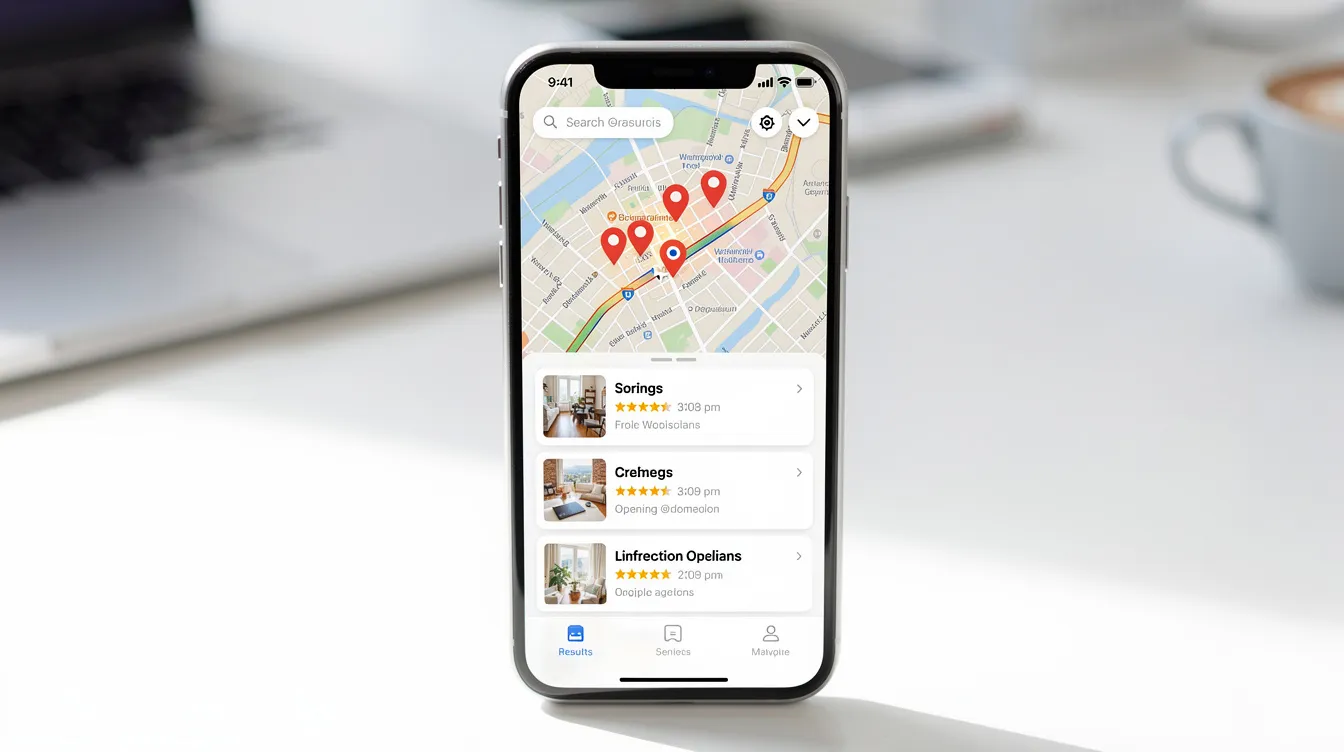
For brick-and-mortar and service-area businesses, local SEO delivers outsized ROI. Appearing in Google’s Maps pack—those three business listings at the top of local searches—can drive significant calls and visits at minimal ongoing cost.
Key local SEO priorities:
-
Claim and fully optimize your Google Business Profile (70% visibility boost for “near me” searches)
-
Build citations across 50+ directories with consistent NAP information (tools like BrightLocal help at under $500/month)
-
Collect and respond to customer reviews regularly
-
Implement reputation management by monitoring and responding to online reviews and managing local listings to protect and enhance your business reputation
-
Create location-specific pages for each service area
Optimizing for AI Overviews
Google’s Gemini and other AI-powered search tools increasingly pull answers directly into search results, and emerging platforms like Perplexity.ai reward businesses that adapt their Perplexity-focused SEO strategies to capture ready-to-buy traffic. To appear in these:
-
Add structured FAQ schema to service pages
-
Create comprehensive topical guides that establish your expertise
-
Focus on clear, direct answers to common customer questions
Example:
A dental clinic in Austin optimized their FAQ and service pages in early 2025 to appear in AI-powered overview answers. By structuring content around “best dentist Austin root canal” and related queries, they showed up in both AI summaries and local packs—driving 30% lead growth without increasing paid ad spend.
Cost-Effective PPC & Paid Traffic for Your Website
Paid search and social media advertising can be remarkably affordable when you focus on precision rather than broad reach. The key is tight targeting and conversion-focused campaign management—not “set and forget” mode.
Case studies from fast-growing local businesses in Chandler, AZ show how pairing intent-driven content with dialed-in paid campaigns can deliver impressive growth on realistic budgets. Performance marketing is a strategic, ROI-driven approach to paid campaigns that emphasizes lead quality and measurable outcomes, making it ideal for affordable website marketing services.
PPC Starting Budgets
Starting budgets for local businesses:
-
Google Ads: $300–$1,000/month in ad spend plus management fees
-
Microsoft Advertising: Often 20-30% cheaper per click than Google with less competition
-
Social media advertising: Facebook/Instagram ads starting at $200-500/month
Making Paid Advertising Work on a Budget
Tips for making paid advertising work on a budget:
-
Focus on high-intent keywords (“emergency plumber near me” instead of “plumbing tips”)
-
Build dedicated landing pages that match ad messaging
-
Use remarketing to bring back visitors who didn’t convert initially
-
Start small, prove ROI, then scale
PPC Money-Wasters to Avoid
Avoid these PPC money-wasters:
-
Sending all traffic to your homepage instead of relevant service pages
-
Targeting broad geographic areas when you serve specific neighborhoods
-
Running ads 24/7 when your business only takes calls during business hours
-
Ignoring negative keywords that attract unqualified clicks
Smart Targeting & Tracking for Affordable PPC
The difference between profitable PPC and wasted ad spend comes down to precision and measurement.
Practical steps for cost-effective PPC management:
-
Set precise geo-targeting (only your actual service area, down to zip codes if needed)
-
Schedule ads during business hours when you can respond to leads
-
Build a negative keyword list to exclude irrelevant searches
-
Cap daily budgets to prevent overspending while learning
-
Use display advertising selectively for remarketing, not cold audiences
Essential tracking setup:
-
Google Analytics 4 connected to your website
-
Google Tag Manager for tracking form fills, phone calls, and purchases
-
Conversion tracking in your ad platforms tied to actual business goals
-
Clear attribution of which keywords and ads generate leads
Example:
A home cleaning service in Denver reduced cost-per-lead by 40% between Q3 2024 and Q1 2025. How? They pruned underperforming keywords, tightened geographic targeting to specific neighborhoods, and rebuilt landing pages with clearer CTAs. Monthly transparent reports showed exactly where every dollar went.
When working with any PPC provider, demand monthly summaries of spend, impressions, click-through rate (target 5-10%), leads generated, and cost per result. No hidden fees, no vague reporting.
Social Media & Email: Affordable Traffic and Relationship Builders
Social media and email marketing are two of the most cost-effective ways to drive repeat website visits and nurture leads into customers. They work together: social content grows your audience and brand awareness, while email turns followers and visitors into appointments, sales, and loyal customers.
Choosing the Right Platforms
Platforms to consider in 2026:
-
Social: Facebook and Instagram for local customers, TikTok for video-first audiences, LinkedIn for B2B services
-
Email: Mailchimp, Brevo (formerly Sendinblue), and HubSpot Starter—all offering free or low-cost tiers
Social & Email Synergy
Your social media presence builds familiarity and trust. When someone follows you, they’re raising their hand as a potential customer.
Email then converts that interest into action with targeted offers, reminders, and updates.
For some small ecommerce brands, simple email campaigns (1-2 newsletters per month) generate 20-30% of monthly website revenue. That’s real business growth from a channel costing under $50/month.
Affordable Social Media Support
You don’t need to be everywhere. Focus your marketing efforts on 1-2 platforms where your target audience actually spends time, and keep an eye on emerging marketing trends for 2025 like interactive content, AI, and short-form video so your social strategy stays current without breaking the bank.
Realistic social media management approach:
-
Post 3-5 times per week with links back to product pages, service pages, and blog content
-
Use free scheduling tools like Buffer’s $5/channel essentials plan
-
Mix content types: tips, behind-the-scenes, customer stories, and direct offers
-
Prioritize video content, especially short video management for platforms like TikTok and Instagram Reels
Scaling your social efforts:
-
Start with in-house posting using templates and scheduling tools.
-
As results grow, add affordable help—a part-time social media manager, a freelancer, or a marketing agency offering social media management packages.
Example:
A yoga studio in Portland doubled website class bookings in late 2025 by combining short-form video posts showcasing classes with optimized link-in-bio landing pages. Total monthly cost: about $200 in tools and 4 hours of staff time weekly.
Affordable Email Marketing Services
Email marketing services deliver some of the highest ROI in digital marketing—and most platforms offer free or low-cost tiers that handle thousands of contacts.
If you’re choosing tools, a detailed comparison of Brevo vs. Mailchimp for email marketing can help you match features and pricing to your budget before you commit.
Platform pricing in 2026:
-
Mailchimp: Free up to 500 contacts, paid plans from $13/month
-
Brevo: Free up to 300 emails/day, paid from $25/month
-
HubSpot Starter: Under $50/month with CRM integration
Key affordable tactics:
-
Welcome series for new subscribers (3-5 automated emails introducing your business)
-
Abandoned cart emails for ecommerce (recovers 10-15% of lost sales)
-
Monthly offers or service reminders for local businesses
-
Segmented campaigns based on customer interests or past purchases
Building your email list:
-
Collect emails through website popups (timed or exit-intent)
-
Offer lead magnets like checklists or discount codes
-
Use booking or contact forms
Every email address is a potential customer you can reach directly.
Example:
An online tutoring site increased repeat bookings by 25% between January and August 2025 using simple automated email reminders and progress report summaries. Setup took one afternoon; the sequence ran automatically for months, directly contributing to customer engagement and retention.
Conversion Rate Optimization (CRO): Getting More from Existing Traffic
Here’s the most overlooked lever in affordable digital marketing: getting more leads and sales from traffic you already have. Conversion rate optimization improves your website’s ability to turn visitors into customers—without spending more on ads or content.
Simple CRO Improvements That Work
Simple CRO improvements that work:
-
Clearer, more visible calls-to-action (make it obvious what you want visitors to do)
-
Mobile-friendly forms with fewer fields
-
Visible phone numbers and click-to-call buttons
-
Live chat options (tools like Tidio offer free tiers)
-
Trust badges, testimonials, and review scores placed near CTAs
-
Faster page load times (every one-second improvement can boost conversions by 7%)
Testing Your Improvements
You don’t need complex tools to run basic A/B tests. Many website builders in 2026 include built-in testing features. For WordPress and Shopify, affordable plugins enable simple tests.
The Payoff of CRO
Small changes—revising a contact form, adding proof of results, improving mobile optimization—can lift conversion rates by 20-50% without increasing traffic. That’s more leads from the same ad spend, more sales from the same organic traffic.
Realistic CRO Wins for Small Sites
You don’t need massive traffic to see CRO results. Even small sites benefit from focused improvements.
Example wins:
-
A B2B services website cut their contact form from 10 fields to 4 essential fields in Q2 2025. Result: 60% increase in form submissions with no change in lead quality. Time invested: about two hours.
Proof elements that boost conversions:
-
Case-study snippets with specific numbers (“+68% organic conversions in 6 months”)
-
Client logos and partner badges
-
Review scores from Google, Yelp, or industry platforms
-
Before/after results when relevant
Quarterly CRO Review Checklist
Quarterly CRO review checklist:
-
Analyze your top landing pages in Google Analytics—where are visitors dropping off, and what does your referral traffic reporting in Google Analytics reveal about which external sources drive the best leads?
-
Review contact and booking forms—can you reduce friction?
-
Check mobile experience on actual devices.
-
Test one change, measure results, then move to the next.
Content Marketing: Affordable Fuel for Website Growth
Content marketing—creating useful pages, blog posts, guides, and FAQs—is one of the most sustainable ways to build organic traffic and establish your own brand as the local authority. Agencies with comprehensive service offerings, including content marketing, can help businesses address a wide range of marketing needs.
The Compounding Effect of Content
Even one strong, well-optimized article per month can compound traffic over 6-12 months. That estate planning guide you publish in January keeps attracting potential customers in June, September, and beyond.
Content That Drives Results in 2026
Content that drives results in 2026:
-
Answer buyer questions directly (“How much does X cost in 2026?”)
-
Target local search intent (“best way to [service] in [city]”)
-
Address comparison searches (“X vs Y for [use case]”)
-
Create comprehensive services pages that cover the full scope of what you offer
Publishing Cadence Suggestions
Publishing cadence suggestions:
-
Small local businesses: 1-2 posts per month
-
Growing businesses focused on online expansion: 2-4 posts per month
-
Ecommerce sites with broad catalogs: Weekly content updates
AI-Assisted Efficiency
Tools like Jasper or ChatGPT can help draft content faster, and curated lists of the top AI tools for digital marketers make it easier to choose budget-friendly options.
But human editing remains essential for accuracy, brand voice, and the kind of authentic expertise that search engines reward. Use AI to accelerate, not replace, content creation.
Types of High-ROI Website Content
Not all content drives conversions equally. Focus your content writing efforts on formats that directly support customer acquisition.
High-performing content formats:
-
Service pages: Detailed explanations of what you offer, who it’s for, and how to get started
-
City/location pages: Dedicated pages for each area you serve
-
Comparison pages: “X vs Y in 2026” content captures decision-stage searchers
-
Detailed FAQs: Structured answers that appear in search features and AI overviews
-
Case studies: Real results with specific numbers build trust and demonstrate expertise
Connecting Content to Conversions
Every piece of content should include clear CTAs and internal links to relevant services, products, or contact forms. A blog post about “how to choose a plumber” should link directly to your services page and make it easy to call or book.
Example:
A legal firm published “How Much Does Estate Planning Cost in 2026?”—a comprehensive guide addressing the exact question their potential customers searched. The page generated steady consultation leads for months, each one worth significantly more than the $300 spent on content creation.
How to Choose an Affordable Website Marketing Provider
Finding the right digital marketing agency or freelancer isn’t about the lowest quote. It’s about value, transparency, and fit with your business goals.
Define Your Primary Goal
Start by defining your primary goal:
-
More leads (service businesses, B2B)
-
More online sales (ecommerce)
-
More bookings (appointments, reservations)
-
More traffic for brand visibility (awareness-focused campaigns)
Finding Specialists Who Understand Your Business
Look for providers who specialize in websites like yours—whether that’s marketing businesses online in local markets, ecommerce, or professional services. A provider who works primarily with restaurants may not understand the nuances of marketing a law firm.
Reviewing an agency’s digital marketing portfolio and case studies gives you a concrete sense of what they’ve achieved for similar businesses before you commit.
Due Diligence Questions
Due diligence questions:
-
Can you show 1-2 case studies from 2023-2025 with real numbers?
-
What specific deliverables are included each month?
-
How do you report results, and how often?
-
What realistic timeline should I expect for SEO results?
Agencies like Thrive Internet Marketing Agency maintain high client retention rates specifically because they deliver transparent results. That’s the standard to expect.
Red Flags & Green Flags
Knowing what to look for (and avoid) saves money and headaches.
Green flags in a digital marketing company:
-
Clear, itemized deliverables in writing
-
Monthly reporting with metrics tied to your business goals
-
Realistic timelines (SEO expectations over 6-12 months, not weeks)
-
No long-term contracts without performance reviews
-
Full access to your analytics and ad accounts
Red flags to avoid:
-
Guaranteed #1 rankings (no legitimate provider promises this)
-
Vague “full management” descriptions without specifics
-
Refusal to share access to your own data
-
No recent case studies or references from 2023-2025
-
Aggressive sales tactics or pressure to sign immediately
Typical Engagement Models
Typical engagement models:
-
Monthly retainers: $1,000-$3,000/month for comprehensive services
-
Project-based work: Audits, website building, or one-off campaigns at fixed prices
-
Hybrid approaches: Small retainer plus performance-based components
Match the model to your budget bracket and growth stage. A small local business might start with a $1,000/month retainer focused on local SEO, while growing businesses might invest $2,500+ in comprehensive content marketing services and paid campaigns.
DIY vs. Done-For-You: Keeping Website Marketing Affordable
Most successful small business owners use a hybrid approach—handling some tasks themselves while outsourcing others to digital marketing professionals.
Supplementing your efforts with a library of expert digital marketing guides and resources can make DIY work more effective without adding agency costs.
DIY-Friendly Tasks
DIY-friendly tasks:
-
Basic content updates and blog post ideas
-
Social media posting using scheduling tools
-
Email newsletter creation with templates
-
Monitoring Google Analytics for basic insights
-
Managing your Google Business Profile and responding to reviews
Tasks Worth Outsourcing
Worth outsourcing:
-
Technical SEO audits and implementation
-
Advanced PPC management and optimization
-
Complex A/B testing and CRO analysis
-
Link building and outreach campaigns
-
Comprehensive SEO strategies requiring ongoing expertise
Affordable DIY Tools for 2026
Affordable DIY tools for 2026:
-
Canva for graphics and social media templates
-
WordPress or Shopify editors for website updates
-
GA4 for tracking (free)
-
Yoast or RankMath for basic on-page SEO
-
Landing page builders like Carrd or Leadpages for campaign-specific pages
The smart approach:
Start with a small, focused scope. Master one channel before expanding. Prove ROI before scaling budget.
Building a Lean Website Marketing Plan
Here’s a practical 90-day plan for a budget-conscious small business just getting started:
Month 1: Foundation
-
Audit and optimize your top 5 pages (service pages, contact page, homepage)
-
Set up GA4 tracking properly with conversion goals
-
Claim and optimize your Google Business Profile
-
Start building an email list with a simple signup form
Month 2: Activation
-
Launch a small PPC campaign ($300-500/month) targeting your highest-intent keywords
-
Publish 1-2 helpful blog posts targeting local search terms
-
Send your first email to existing customers announcing something valuable
Month 3: Optimization
-
Review what’s working in analytics
-
Cut underperforming ad keywords
-
Double down on content topics driving traffic
-
Add one CRO improvement based on user behavior data
Set 2-3 measurable KPIs for the quarter:
-
Total website visits (baseline vs. growth)
-
Leads generated (form fills, calls, bookings)
-
Cost per lead from paid channels
Review performance monthly. Reinvest in the highest-ROI channels before expanding into new ones.
Measuring Success: Making Sure “Affordable” Stays Affordable
Ongoing measurement prevents “cheap” campaigns from becoming expensive mistakes. Catching waste early keeps your digital marketing strategies cost-effective.
Essential Metrics to Track
Essential metrics to track:
|
Metric |
What It Tells You |
Target Range |
|---|---|---|
|
Total website sessions |
Overall traffic health |
Steady growth month-over-month |
|
Organic traffic |
SEO effectiveness |
10-20% of total traffic minimum |
|
Paid traffic |
Ad performance |
Controlled by budget |
|
Leads (forms/calls) |
Marketing effectiveness |
Depends on business |
|
Conversion rate |
Website performance |
2-5% for most businesses |
|
Cost per lead |
Campaign efficiency |
Under $50 for most local services |
|
Revenue from online |
Bottom-line impact |
Track by channel |
Simple reporting setup:
You don’t need complex business intelligence tools. GA4’s built-in reports plus a basic spreadsheet tracking monthly metrics works perfectly for small business budgets. Focus on trends, not vanity metrics.
Example:
A small landscaping company tracked website leads from April through December 2025 using a simple spreadsheet. By September, they identified that SEO-driven leads converted at 3x the rate of social media leads—and shifted 30% of their budget accordingly. That data-driven decision improved ROI significantly.
Review Cadence & Optimization
Consistent attention beats sporadic overhauls.
Recommended review schedule:
-
Weekly (15 minutes): Quick check on ad spend and lead volume. Anything unusual?
-
Monthly (1-2 hours): Deeper dive into traffic sources, conversion rates, and cost per lead
-
Quarterly (half day): Strategy review. What’s working? What should we stop? What should we try next?
Testing Discipline
Change one thing at a time—new ad creative, revised landing page, updated email subject line—and measure impact before rolling out widely. This prevents the “we changed everything and don’t know what worked” problem.
The Compound Effect
Consistent small optimizations over 6-12 months drive far more growth than occasional big campaigns. A 5% improvement this month, another 5% next month, another 5% the month after—that’s how affordable digital marketing services turn into real business growth.
Conclusion: Turning Affordable Website Marketing into Predictable Growth
Affordable website marketing services in 2026 come down to alignment: connecting SEO, paid traffic, content, social media accounts, email, and CRO around clear goals with tight tracking. No single service works in isolation. Together, they transform your website from an online brochure into your hardest-working marketing asset.
Even modest investments—$500-1,500/month—compound into significant organic website traffic, qualified leads, and revenue growth over 12-24 months. The businesses seeing results aren’t necessarily spending more. They’re spending smarter, measuring everything, and reinvesting in what works.
Your next step isn’t to do everything at once. Choose one priority: more leads, more sales, or more visibility. Then take a concrete action within the next seven days—schedule an SEO audit, launch a small PPC campaign, or set up your first email automation sequence.
Your website can work for you around the clock, reaching local customers while you focus on running your business. The tools are accessible, the digital marketing needs are clear, and affordable pricing makes comprehensive services reachable for small business owners everywhere. The only question is whether you start this week or wait another quarter while competitors move ahead.
Treat your website like what it actually is: your primary marketing asset and your 24/7 salesperson. Give it the affordable website marketing services it needs to perform.
FAQs
What is the importance of claiming a Google Business Profile for local SEO?
Claiming a Google Business Profile is essential for local SEO as it helps your business appear in local searches, increasing visibility to nearby customers.
How does consumer research impact SEO and digital marketing?
Approximately 70-80% of people research a company online before deciding to do business, making SEO and a strong online presence critical for attracting and converting customers.
Why is ongoing SEO optimization necessary?
Google updates its search algorithms up to 600 times a year, so ongoing SEO optimization is necessary to maintain and improve search engine rankings.
How does social media presence influence brand awareness?
A strong social media presence is essential for brand awareness since most consumers research companies online and engage with brands on social media platforms.
Why is tracking digital marketing effectiveness important?
Tracking digital marketing effectiveness helps businesses measure consumer engagement and optimize campaigns to improve return on investment.
How can affordable digital marketing strategies help small businesses compete?
Affordable digital marketing strategies enable small businesses to maximize their marketing budgets and achieve a high return on investment, helping them compete with larger companies.
What role do boutique agencies and digital tools play in affordable marketing?
Affordable marketing often involves a combination of boutique agencies and digital tools to deliver effective, budget-friendly marketing solutions.
How do social media marketing and email marketing boost customer engagement?
Social media marketing and email marketing significantly increase brand awareness and customer engagement without requiring large budgets, making them ideal strategies for small businesses.

Ready to Elevate Your Website?
🚀 Your website has the potential to be a powerful tool for driving growth. At Digital Vibes, we’re passionate about helping businesses blast off into success with strategies that deliver results.